A puppy changes carpet care in more than one way. One day you are vacuuming dry soil from a play area. Next, you are dealing with a fresh accident. A week later, the same corner smells different even though the visible spot is gone.
Those are not versions of the same cleaning problem.
Living with puppies and carpet gets easier when you sort each problem by what actually happened to the carpet. Surface soil, a fresh liquid accident, a repeat-location problem, cleaning-product buildup, and physical fiber damage all need different responses.
Treating every one of them with another spray or another full-carpet cleaning can create more confusion than progress.
5 Puppy Carpet Events Need Different Responses
The useful question is not simply, “Did the puppy make a mess?” It is, “What kind of carpet event was this, and how far did it go?”
1. Surface Soil Is a Maintenance Problem
Puppies bring ordinary mess with them: loose hair, crumbs, dry outdoor soil, and debris from play. These are mostly surface-maintenance problems, not stain emergencies.
Vacuuming should do most of the work here. Carpet experts recommend frequent vacuuming in homes with pets and prompt attention to new spots and spills.
If a play path or favorite resting area stays dull after proper vacuuming, that is when it becomes worth asking whether soil has moved deeper into the pile or whether the carpet is simply showing wear. Do not turn routine dry soil into a wet-cleaning project before you know which problem you have.
2. Fresh Accidents Need Fast, Limited Cleanup
A fresh urine or vomit accident is a liquid event. The first goal is to remove as much material as you reasonably can without spreading it or forcing it deeper.
- Blot liquids with clean white absorbent material rather than scrubbing.
- Remove solids gently.
- Then use a carpet-appropriate product according to its label and the carpet manufacturer’s care instructions.
More products are not automatically better. Blotting is a safer option than scrubbing, since excessive cleaning can create its own problems.
Do not use a steam cleaner on urine spots because heat can set the stain and odor.
A fresh accident is therefore a targeted cleanup job, not an invitation to repeatedly heat, soak, or scrub the whole area.
3. Repeat Spots Need a Depth Check
The same corner becoming a problem again is different from three unrelated accidents in three rooms.
Repeated liquid in one location has more opportunity to move through the visible pile into the backing, cushion, or material below. At that point, repeatedly improving only the top of the carpet can make the problem look solved while odor or residue remains deeper.
Our guide to pet urine carpet padding treatment explains why recurring odor or staining can require a layer-by-layer decision rather than another surface treatment. Repeated accidents can extend from the carpet fibers into the backing, cushion, and sometimes the flooring below.
If the same location keeps smelling, staining, or becoming noticeable after cleaning, record that history. Repeat history can matter more than how dramatic the latest spot looks.
4. Product Buildup Changes the Problem
Puppy accidents tend to attract cleaning products. When one treatment disappoints, another often goes on top, followed by a deodorizer or rental-machine solution.
Eventually, the cleaning history becomes part of the carpet problem.
Cleaning residue can contribute to rapid re-soiling and specifically notes that more product is not better. Remove the remaining cleaner after spot treatment rather than leaving the product behind in the carpet.
If a previously treated area becomes dingy faster than the surrounding carpet, do not automatically assume the original puppy stain is back.
Stop stacking products. Keep the bottle or note what you used, especially if professional carpet cleaning may be the next step.
5. Fiber Damage Is Not a Stain Problem
A puppy can change carpet without staining it at all. Chewing an edge, pulling a loop, digging at one spot, or repeated aggressive scrubbing during cleanup can leave physical damage.
Cleaning cannot replace missing yarn, rebuild damaged backing, or restore fibers that have been physically frayed. A lighter patch can also be a color change rather than remaining soil.
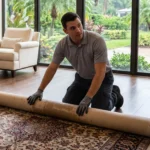
If the area looks structurally or permanently different, stop treating it as a dirty spot. The next decision may involve carpet repair or replacement rather than stronger cleaning.
Let the Puppy Stage Change the Cleaning Plan
The early puppy stage can produce many small, local events. That does not mean the entire carpet needs a deep cleaning every time one happens.
During active house-training, focus on prompt spot care, dry-soil removal, and repeat locations. As accidents become less frequent, evaluate what remains across the room instead of reacting to one incident at a time.
What is happeningBetter carpet decisionMostly hair, crumbs, and dry tracked soilMaintain with appropriate vacuumingOne fresh accidentHandle the specific spot promptlySame location keeps returningEvaluate the depth of the problemSeveral products have been used on one areaStop layering products and document what was usedWidespread traffic soil remains after routine careConsider professional carpet cleaningCarpet is torn, frayed, chewed, or discoloredEvaluate repair or replacement rather than more cleaning
There is no need to invent a three-month or six-month rule simply because a puppy lives in the house.
- 12 to 18 months is an appropriate period for professional cleaning.
- Frequent cleaning may be appropriate when necessary.
- Manufacturer requirements, traffic, accident history, and carpet condition should decide the interval.
That also means you do not necessarily have to wait for some ceremonial moment when the puppy is declared perfectly house-trained. A persistent odor or heavily repeated accident may deserve attention sooner.
Keep a Short Carpet History
You do not need a spreadsheet for the puppy, although humanity would absolutely make one if given half a chance. A few notes are enough.
Record repeat locations, large accidents, products used, and any spot that disappeared and later returned. If an odor becomes stronger during humid weather or after the area gets damp again, note that too.
That history helps you separate a new accident from an old problem becoming noticeable again. Our guide to why old pet stains can return in early summer explains how moisture changes can make older residue more noticeable again.
It also gives a carpet cleaner better information than “there were some accidents somewhere in this room.”
Know When Routine Care Has Reached Its Limit
Home care is still doing its job when ordinary soil responds to vacuuming and individual accidents respond to appropriate spot treatment without returning.
A professional carpet cleaning service becomes more relevant when:
- Several known accident areas need to be assessed together.
- A spot or odor returns after the carpet has dried.
- One location has been affected repeatedly.
- Previous DIY products complicate the affected area.
- Traffic soil remains after normal maintenance.
- You need help distinguishing cleanable soil from permanent carpet damage.
Persistent urine odor that may involve the backing or padding deserves a depth assessment rather than repeated surface deodorizing. Severe fiber damage or permanently changed carpet may need a repair or replacement decision instead.
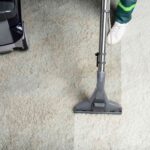
For broader routine cleaning after the puppy stage, our carpet cleaning service is worth considering.
Living with a puppy does not require treating the carpet as permanently doomed. It requires recognizing that a tracked paw print, a fresh accident, a recurring urine spot, product residue, and a damaged fiber are five different problems.
Once you classify the event correctly, the next step becomes much easier to choose.
Frequently Asked Questions
What should I do first after a puppy accident on carpet?
- Remove solids gently and blot liquid with clean white absorbent material.
- Do not scrub.
- Use a carpet-appropriate pet stain product according to its label and your carpet manufacturer’s care instructions.
- Avoid oversaturating the area.
Should I steam-clean a fresh urine spot?
Do not use a steam cleaner on urine spots because heat can set the stain and odor. Treat a fresh accident as a targeted spot-cleaning problem rather than applying heat to the area.
Why does the same puppy spot keep smelling again?
Repeated accidents can reach below the visible carpet fibers into the backing or cushion. Surface cleaning may improve the top while deeper residue remains. Recurring odor is a reason to reconsider how deep the affected area may be.
How often should I clean the carpet if I have a puppy?
There is no puppy-specific interval that fits every home. Cleaning frequency should follow the carpet manufacturer’s requirements, household traffic, accident history, and carpet condition. 12 to 18 months is a safe period for professional cleaning. However, more frequent cleaning may be appropriate when necessary.
Should I wait until house-training is finished?
Not always. If accidents are occasional and manageable, waiting until they taper can make it easier to assess the whole carpet at once. Persistent odor, repeated accidents in one location, or a suspected padding problem may justify earlier assessment.
Can cleaning fix puppy-damaged carpet?
Cleaning can address removable soil and some spot problems. It cannot replace missing fibers, repair torn backing, or reverse permanent color or texture changes. Physical damage may require repair or replacement.