A dirty-looking exterior does not automatically mean your home needs pressure washing. The mark you see may be removable surface buildup, but it could also be a worn coating, oxidation, cracked material, or another condition that stronger water pressure will not fix.
That is why “Does my home need pressure washing?” is really three questions:
- Does this surface need cleaning?
- Can the material and finish safely handle pressure?
- Is there damage that should be addressed before more water is introduced?
Answer those in that order and the decision becomes much clearer.
Use a Three-Question Cleaning Test
Do not start with the pressure washer. Start with the surface. A driveway, painted wall, composite deck, and fiber-cement siding can all look dirty while requiring very different responses.
1. Is This Removable Buildup?
Look at what you are actually trying to remove. Loose soil, tracked mud, ordinary grime, pollen residue, and some exterior organic buildup can be cleaning problems. A stain that remains in exactly the same shape after reasonable cleaning may be something else.
Oxidation, rust, efflorescence, fading, failed paint, damaged sealers, and material deterioration are not made more removable simply by increasing pressure.
If you are unsure whether a mark is dirt or a change in the surface itself, our guide to what pressure washing can remove from exterior surfaces explains where exterior cleaning helps and where another problem may be responsible.
2. Can the Surface Handle Pressure?
Material name alone is not enough. Age, finish, repairs, fasteners, seams, coatings, and manufacturer instructions all matter.
For example, James Hardie’s siding-care guidance says pressure washing can damage the surface of its fiber-cement siding and instead recommends low-pressure water with a suitable siding brush.
Composite decking shows why product details matter too. Trex’s current care guidance permits controlled pressure washing on several newer product lines within stated limits, while its guidance for certain early-generation products does not recommend pressure washing.
In other words, “siding” or “deck” is not a complete cleaning instruction.
If the surface needs cleaning but pressure is not clearly appropriate, compare the methods rather than forcing one tool onto the job. Our guide to pressure washing vs. soft washing explains how the choice changes across stucco, siding, painted finishes, and harder exterior surfaces.
3. Is There Damage to Fix First?
Cleaning should not be used to test whether a damaged exterior can tolerate more water.
Pause before washing if you find loose siding, open joints, failed caulk, cracked stucco, deteriorated mortar, peeling coatings, broken trim, damaged windows, exposed electrical components, or signs that water is already entering the building.
Those conditions change the job from routine cleaning to repair or investigation first.
A Mark Can Be a Clue, Not a Cleaning Order
The location and pattern of exterior buildup can tell you more than its color.
A dark patch that repeatedly returns beneath a leaking gutter, a green strip beside a sprinkler, or recurring staining at the bottom of one wall may point to a moisture or runoff pattern. Washing can remove surface buildup, but it will not correct the condition causing the same area to become wet again.
Likewise, an isolated light patch on an older painted surface may represent coating loss rather than a cleaner area. Repeatedly washing the surrounding sections to make everything match could remove more of the finish without solving the underlying issue.
Choose the Right Outcome for Each Surface
Your house does not need one cleaning verdict. Individual surfaces may need pressure washing, a gentler cleaning method, repair first, or no action yet.
What you findBetter next decisionSound concrete with removable surface grimePressure washing may be appropriateSound surface with only light cosmetic dust and no maintenance neededPressure washing may be unnecessary for nowSiding or painted walls that need cleaningCheck material and manufacturer guidance before choosing pressureComposite deckingFollow the exact product line’s care instructionsCracks, loose materials, failed seals, or active leaksRepair or investigate before washingPeeling exterior paint on an older homeDo not treat it as ordinary dirt; consider lead-paint requirements before disturbing itAsphalt-shingle roof staining or algaeDo not use pressure washing as the default cleaning methodStaining that quickly returns in one wet areaLook for the recurring moisture or drainage condition as well as the buildup
For asphalt shingles specifically, the Asphalt Roofing Manufacturers Association advises against high-pressure washing because it can damage the roofing surface.
That is a useful reminder that visible exterior buildup does not automatically make pressure washing the correct response.
Do Not Let a Calendar Make the Decision
There is no useful universal rule that every home needs pressure washing simply because twelve months have passed.
A shaded walkway that repeatedly develops buildup may need attention sooner than a clean, sunny wall. A surface with manufacturer-required care may need routine cleaning without high pressure at all. A recently repaired, painted, or coated surface may have entirely different maintenance instructions.
Use condition, material guidance, and the purpose of the cleaning instead of an arbitrary anniversary date.
Pressure washing makes the most sense when there is actual removable buildup on a compatible, sound surface and the cleaning serves a clear purpose.
Know When DIY Stops Being Simple
A pressure washer is not simply a stronger garden hose.
The CDC’s pressure washer safety guidance warns that high-pressure spray can cause serious wounds that initially appear minor, propel objects, and create electrical hazards when equipment is used improperly.
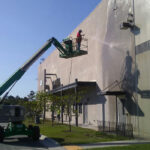
The decision becomes less suitable for casual DIY when you are dealing with height, multiple exterior materials, fragile finishes, uncertain coatings, damaged areas, electrical concerns, or a surface whose manufacturer instructions are unclear.
Older painted surfaces need another layer of caution. EPA guidance explains that when pressure washing is performed as part of renovation work covered by the Lead Renovation, Repair and Painting Rule, containment must prevent paint debris and wastewater from leaving the work area.
That does not mean every older home is automatically an RRP project. It means potentially lead-containing paint should not be treated like ordinary grime when the planned work will disturb it.
Ask for a Cleaning Plan, Not Maximum Pressure
If you hire a pressure washing service, the useful conversation is not “How powerful is your machine?”
Instead, establish:
- What surfaces are being cleaned?
- What buildup is being removed?
- Which areas need lower force or another method?
- What existing damage should be excluded until repaired?
- How will windows, joints, electrical fixtures, landscaping, and runoff be handled?
That scope tells you much more than a blanket promise to pressure wash the entire property.
If you decide the buildup really is a cleaning problem and professional help makes sense, look into our residential pressure washing service.
So, does your home need pressure washing? Maybe parts of it do.
The better decision is made surface by surface: identify what needs to come off, confirm the material can tolerate the cleaning method, and repair conditions that water pressure could make worse before the washing starts.
Frequently Asked Questions
Does visible green buildup mean I need pressure washing?
It means the surface may need cleaning, but it does not tell you which cleaning method is appropriate. First, identify the material, its condition, and whether recurring moisture is contributing to the buildup.
Should I pressure wash my house every year?
Not automatically. Cleaning frequency should follow the surface condition, manufacturer guidance, environment, and reason for cleaning rather than one calendar interval for every material.
Can I pressure wash fiber-cement siding?
Check the exact manufacturer guidance. James Hardie, for example, says pressure washing can damage its siding and recommends low-pressure water with a soft or medium-bristle siding brush.
Can pressure washing fix peeling paint?
No. Peeling paint is a coating condition, not simply surface dirt. Aggressive washing may remove more loose coating and can introduce additional concerns when older paint contains lead.
What if staining comes back soon after washing?
Look at why the area keeps getting wet or collecting debris. Gutters, sprinklers, drainage, shade, and runoff can create repeat patterns that cleaning alone will not change.
Is professional pressure washing always necessary?
No. The need for professional help depends on the surface, access, condition, risk, and appropriate cleaning method. A small, sound hard surface presents a different decision from a multi-story exterior with mixed materials, fragile finishes, or unresolved damage.